

Transport forecasts
Based on historical and current data, predictions of transport demand are generated — as a recommendation for the number and type of vehicles required.
Innovations · Artificial Intelligence
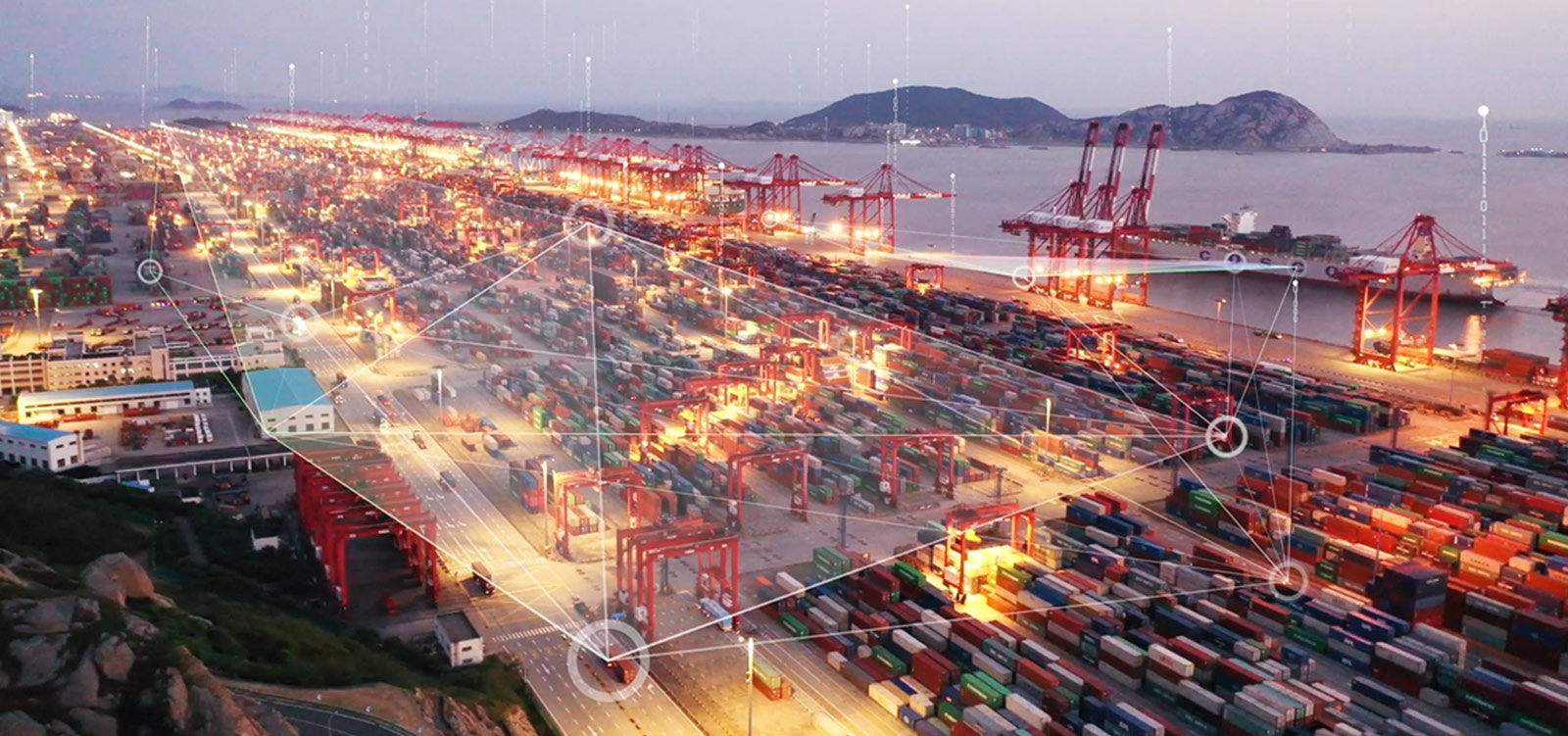
Optimal material flow and the planning of resources — whether people or machines — are becoming ever more complex and can hardly be managed with conventional means. Artificial intelligence and neural networks help Proway Business World achieve optimal results in a short time.
With the help of AI, we generate predictions based on the data provided — for example to optimize resource planning and the utilization of a logistics site. Recurrent neural networks (RNN, LSTM) make it possible to process sequences and recognize patterns over time. Growing volumes of data and increasing computing power will encourage the use of AI in many fields of industry and society in the future. With sufficient computing power, even unstructured or incomplete data can be used.
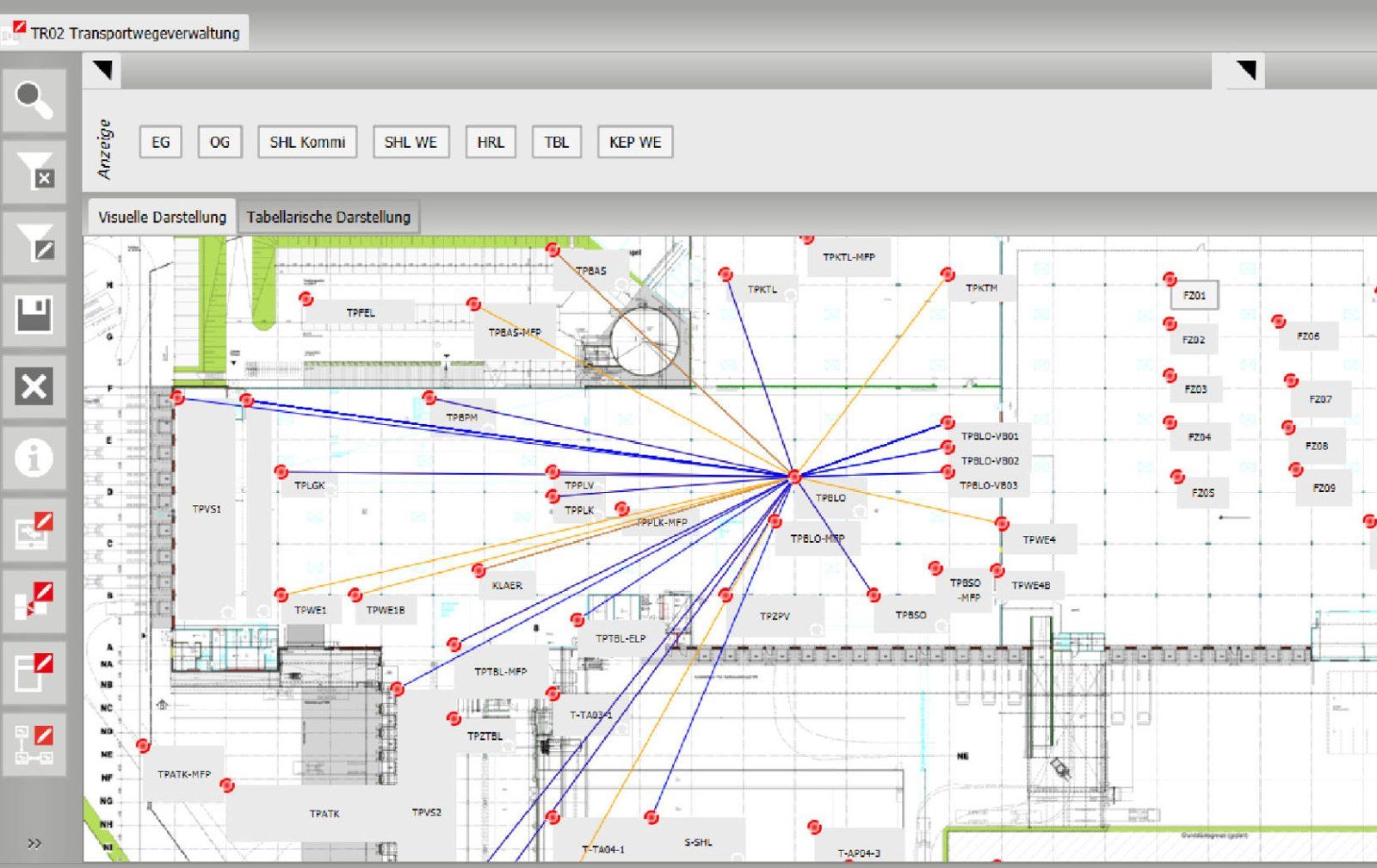
In a deep learning architecture, the relevance of individual data points and their relationships to one another are learned by the data-near layers. These layers then serve as filters for the deeper levels of the network. In this way, robust forecasts emerge from historical and current data — the basis for forward-looking planning instead of after-the-fact correction.
Based on historical and current data, predictions of transport demand are generated — as a recommendation for the number and type of vehicles required.
The forecasted vehicles can be made available precisely at the desired locations.
Route planning is supported by incorporating current weather and traffic data.
An application area for the public sector: optimizing traffic light timing through reinforcement learning.
Using the sensors in the vehicle, individualized driver profiles are created with personalized recommendations and presets.